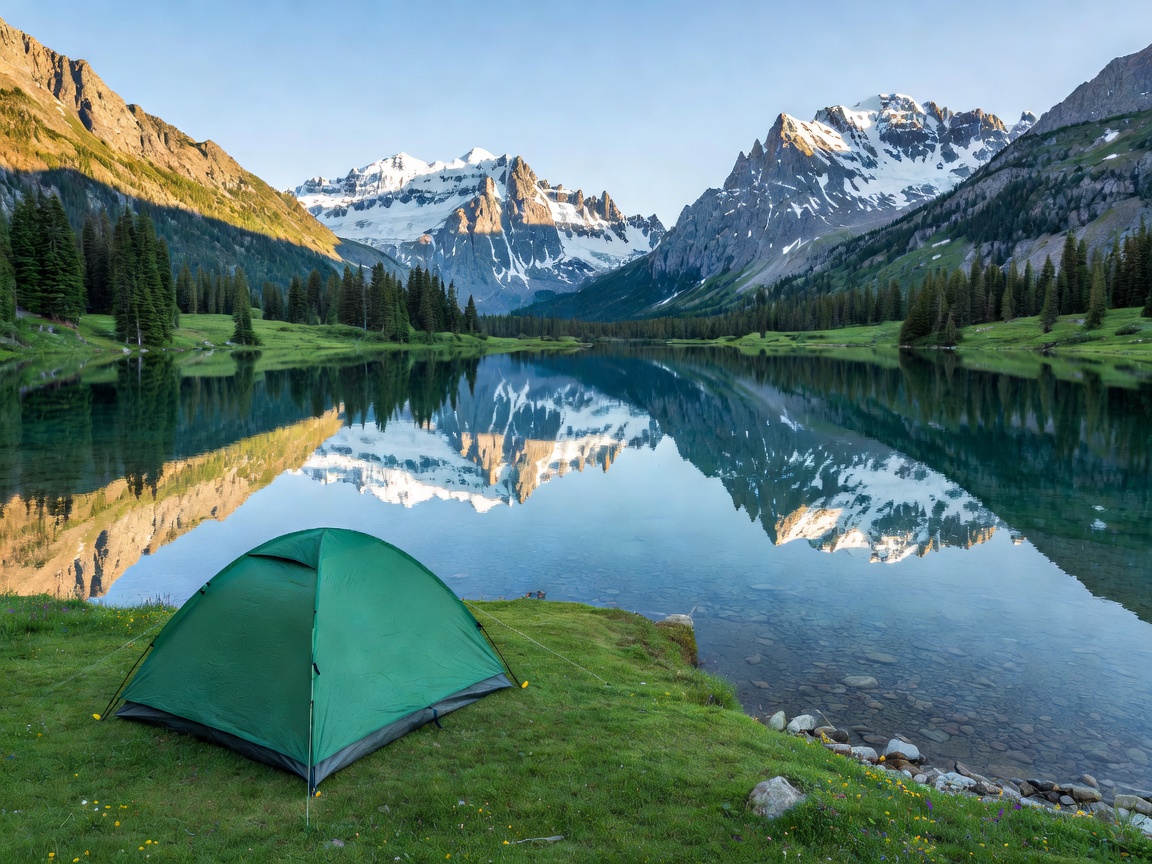
Trading Wi-Fi for Wilderness
For decades, retreating into the wilderness has been the standard method for clearing the mind. Today, it serves an additional, crucial purpose: providing a physical barrier against digital connectivity. Wilderness camping, whether it involves backpacking deep into national parks or utilizing established off-grid glamping sites, forces you to engage directly with your physical surroundings.
The beauty of the backcountry is that the environment dictates your actions. When the sun goes down, it gets dark. When the temperature drops, you must build a fire or seek shelter in a sleeping bag. These immediate, physical requirements leave little mental bandwidth for worrying about unanswered emails or social media feeds.
Camping vs. Glamping for Detox
There are generally two approaches to a wilderness digital detox, each requiring different levels of preparation and offering distinct experiences:
- Backcountry Camping: This requires carrying all your gear—tent, sleeping bag, stove, food, and water filtration—into a remote area. The physical exertion required to hike to a campsite is a detox in itself. It is grueling, rewarding, and completely cuts you off from civilization.
- Off-Grid Glamping: For those who want the isolation of nature without the physical hardship, off-grid glamping sites provide pre-pitched canvas tents or yurts. These sites often lack cellular service but provide basic comforts like a proper bed and pre-chopped firewood. It allows you to relax instantly without the steep learning curve of wilderness survival.
Analog Skills to Relearn
Stepping away from technology in the wild means relying on older, analog skills. Without a smartphone, you cannot check a weather app, use GPS to navigate, or Google how to start a fire. A successful wilderness trip requires you to learn how to read a physical topographical map and use a compass. You must learn to read the sky for changing weather patterns and understand basic first aid.
This relearning process is highly engaging. It forces the brain to form new neural pathways and builds a deep sense of self-reliance and confidence that often translates back into everyday life once the trip is over.
Pros and Cons
The Advantages
The immersion in nature has scientifically proven benefits, including lowered blood pressure and decreased stress hormones. The physical exertion of camping guarantees deep, restorative sleep. Furthermore, wilderness camping can be incredibly cost-effective, often requiring only a small fee for a backcountry permit.
The Drawbacks
Mother Nature is unpredictable. Bad weather can turn a relaxing trip into a miserable ordeal if you are not properly equipped. Backcountry camping also requires an initial investment in quality gear (tents, sleeping bags, packs) and a base level of physical fitness. Safety is a major consideration; without cell service, you must carry a satellite emergency beacon (like a Garmin inReach, kept strictly for emergencies, not texting) to ensure help can be summoned if someone is injured.
Who Is This For?
Wilderness escapes are perfect for active individuals, groups of friends, or families looking to bond over shared tasks. If you enjoy physical challenges, do not mind getting dirty, and find peace in expansive natural landscapes, pitching a tent beyond the reach of cell towers is an exceptional way to unplug.