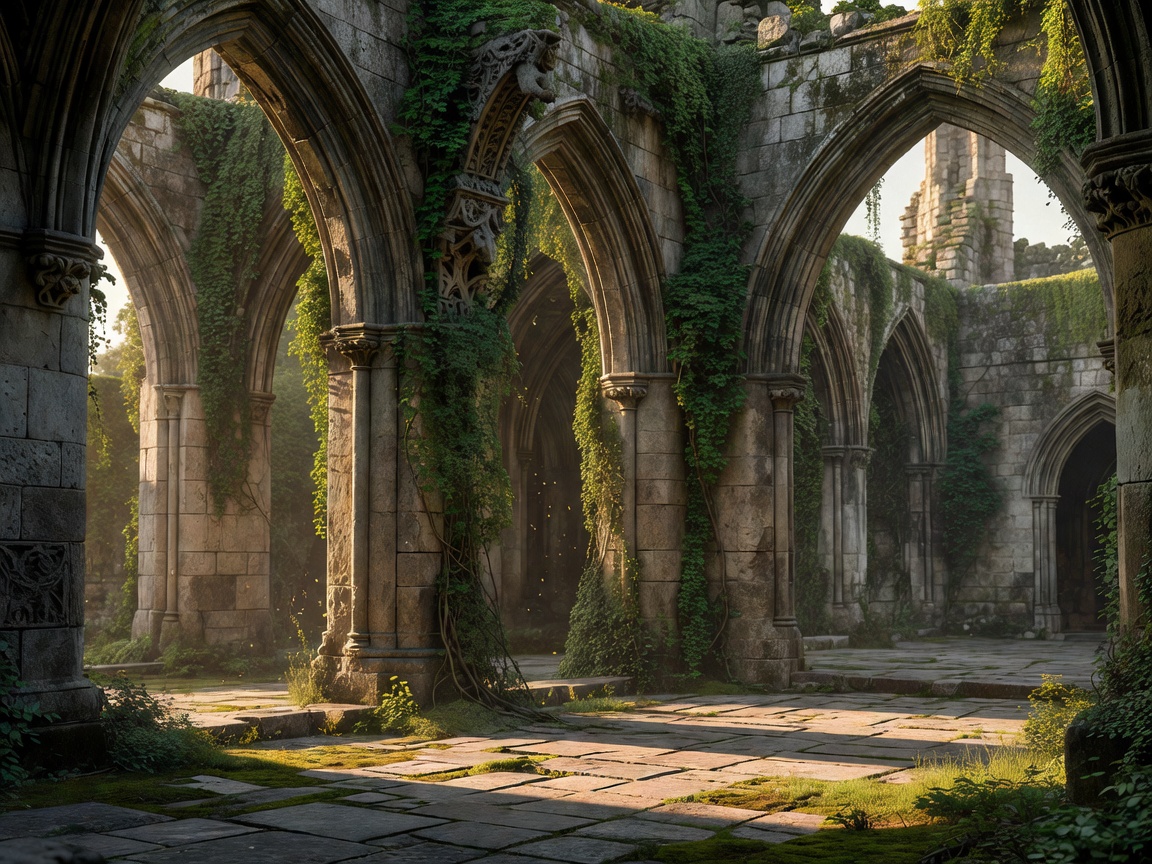
The Tradition of Hospitality
Long before the concept of a "digital detox" existed, monasteries and abbeys served as sanctuaries for travelers and seekers of quiet. Governed by ancient rules—such as the Rule of St. Benedict, which mandates welcoming all guests—many working monasteries across Europe and North America continue to open their doors to outsiders. These environments offer a unique, historically rooted method for disconnecting from the modern world.
Staying at a monastery is distinctly different from checking into a hotel or a wellness resort. You are stepping into an active religious community that operates on a rhythm entirely separate from the frantic pace of the 21st-century economy. The thick stone walls usually guarantee an absence of Wi-Fi, and the atmosphere naturally demands quiet reverence.
The Rhythm of the Hours
Life in a monastery is structured around the Liturgy of the Hours—set times for prayer and chanting that occur throughout the day and night. While guests are rarely required to participate, the tolling of the bells provides a grounding anchor to the day.
- Sparse Accommodations: Guest rooms, often former monk cells, are spotlessly clean but fiercely minimalist. Expect a single bed, a desk, a lamp, and perhaps a small crucifix. There are no televisions, radios, or internet connections.
- Communal Meals: Dining is often communal and, in many strict orders, conducted in absolute silence while a designated reader recites texts. The food is typically simple, hearty, and locally grown by the community.
- Vast Libraries and Grounds: Guests usually have access to the monastery's expansive grounds, gardens, and reading rooms. These areas are designed for slow contemplation and deep reading.
The Psychological Transition
The transition into a monastic space can feel abrupt. Without the constant hum of traffic, notifications, or small talk, the silence can initially feel heavy. However, because the environment is so steeped in centuries of quiet reflection, guests often find it easier to surrender to the stillness here than in a solitary cabin. The presence of a community dedicated to silence provides a comforting, structured container for your own digital withdrawal.
Pros and Cons
The Advantages
A monastic stay is incredibly affordable; many operate on a suggested donation basis or charge very nominal fees to cover food and linens. The architecture and history of these spaces are awe-inspiring, and the environment is uniquely suited for writers, academics, or anyone needing to do deep, uninterrupted thinking.
The Drawbacks
You must respect the rules of the house. This may include curfews, mandatory silence in certain areas, and dressing modestly. The accommodations are basic, and the food, while nourishing, is not resort-quality. Additionally, while you do not need to be religious to visit most monasteries, you must be comfortable residing in a distinctly religious environment.
Who Is This For?
Monastic stays are perfect for budget-conscious solo travelers, writers looking to finish a manuscript, and individuals who appreciate history, architecture, and profound quiet. If you are seeking a peaceful retreat that feels entirely removed from modern time, a monastery offers a truly timeless escape.