The Appeal of Total Isolation
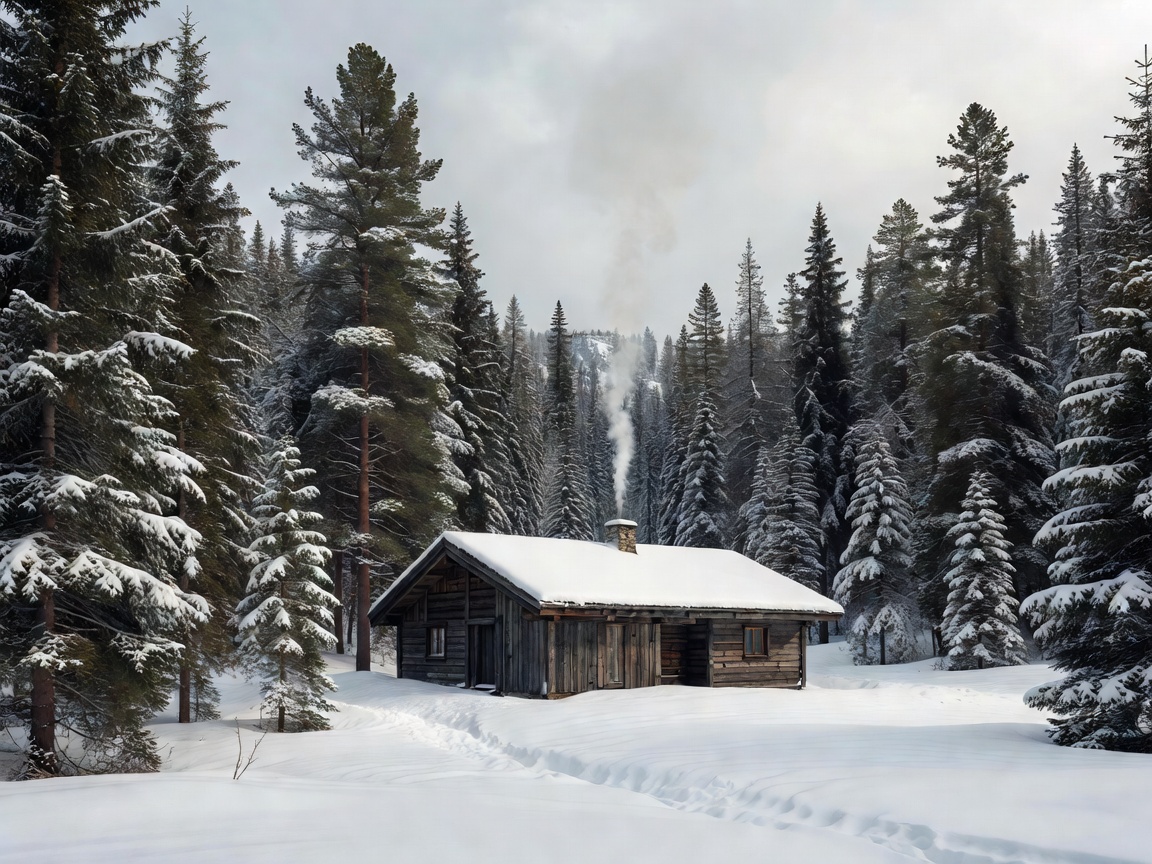
There is a profound difference between turning your phone off and being in a location where the phone physically cannot connect to a network. Remote off-grid cabins offer the latter. Hidden in dense national forests, perched on rugged coastlines, or nestled in mountainous terrain, these structures force a digital detox through sheer geographical isolation.
The architecture of these cabins usually reflects their environment. They rely on solar panels for minimal lighting, wood-burning stoves for heat, and often utilize composting toilets and gravity-fed water systems. This reduction in modern conveniences naturally slows down the pace of your day. When chopping wood and stoking a fire becomes a necessary morning task, checking emails ceases to be a priority.
What to Expect from Off-Grid Living
Transitioning from a hyper-connected urban environment to a silent, off-grid cabin can result in a brief period of psychological withdrawal. The first 24 hours are often marked by phantom vibrations and the instinctual reach for a pocketed smartphone. However, as the quiet sets in, a significant mental shift occurs.
- Natural Rhythms: Without artificial entertainment, your sleep cycle naturally aligns with the sun. You will likely find yourself waking at dawn and feeling tired shortly after dusk.
- Intentional Tasks: Basic survival—cooking over a fire, boiling water, keeping the cabin warm—takes time and intention, replacing the mindless scrolling of daily life.
- Heightened Senses: The absence of digital noise amplifies the sounds of nature: wind through the pines, rain on a tin roof, or the crackle of burning logs.
Preparing for Your Trip
Because these destinations lack cellular service, thorough preparation is not just recommended; it is essential for safety and enjoyment. Before you depart, print physical maps of the area and instructions on how to access the cabin. Do not rely on GPS, as signals drop off long before you reach the final destination.
Pack strictly analog entertainment. A few physical books, a journal, a deck of cards, or art supplies are ideal. It is also crucial to inform a trusted contact of your exact location and your expected date of return, as you will be unreachable during your stay.
Pros and Cons
The Advantages
The primary advantage is absolute peace. The physical barrier to connectivity ensures that work emergencies or social media drama cannot reach you. This environment is highly conducive to deep work, creative writing, or simply allowing a burned-out mind to rest. The integration with nature also lowers cortisol levels and promotes physical well-being.
The Drawbacks
The main drawback is the lack of a safety net. If an emergency occurs, seeking help requires physical travel rather than a quick phone call. Additionally, the lack of modern amenities—such as instant hot water, climate control, or microwaves—means that daily life requires physical effort. This style of detox is not for those seeking a pampered, effortless vacation.
Who Is This For?
Off-grid cabin retreats are ideal for writers, artists, exhausted corporate professionals, and couples looking to reconnect without the interference of screens. If you are comfortable with basic outdoor skills, willing to engage in physical chores, and desperate for silence, an off-grid cabin is arguably the most effective digital detox available.